Can The US Army Transform Without A New Approach to Warfare?
When did the Army come to believe that acquiring new stuff fast equals modernization?
When did the Army come to believe that acquiring new stuff fast equals modernization?

"It comes down to data standards and it comes down to architecture. How does the Air Force architecture integrate with the Army architecture and with the Navy architecture? What are those crossover points?"

The goal of such weaponization is to tie warfighter needs to the RDT&E cycle.
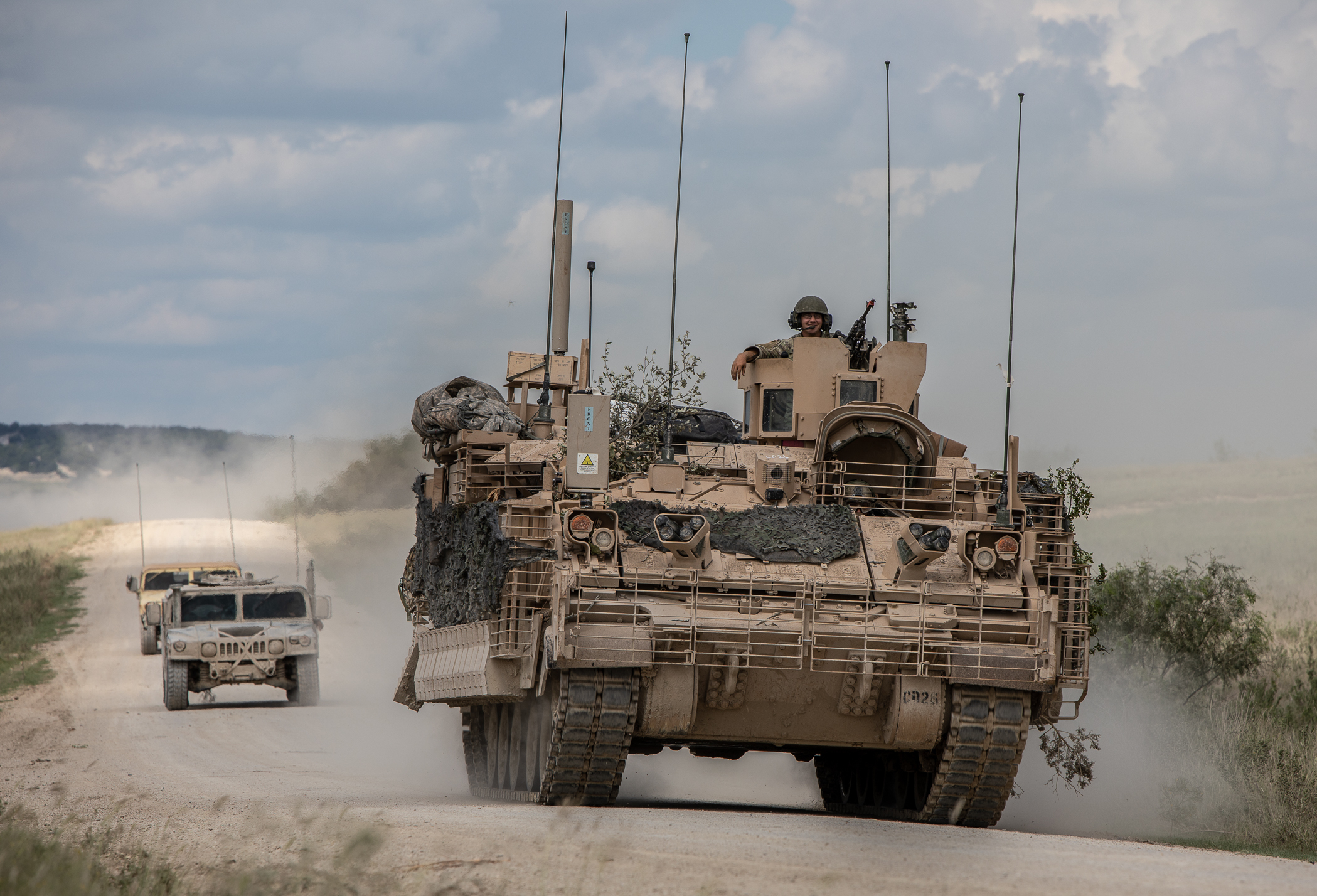
Adding robot scouts and replacing vintage vehicles – the M113, the M2 Bradley, and potentially even the M1 Abrams – will make heavy brigades much more mobile, lethal, and aware of threats, Maj. Gen. Richard Ross Coffman says.

“There are a lot of differences between the FCS experience and the path we're on,” the Army Futures Command chief told us. This time, he said, “I don't think there is hubris. I think there's actually humility.”

A new strategy paper from Chief of Staff Gen. James McConville says forward-deployed Army forces will survive inside Chinese missile strikes and fatally disrupt the PLA's plans.
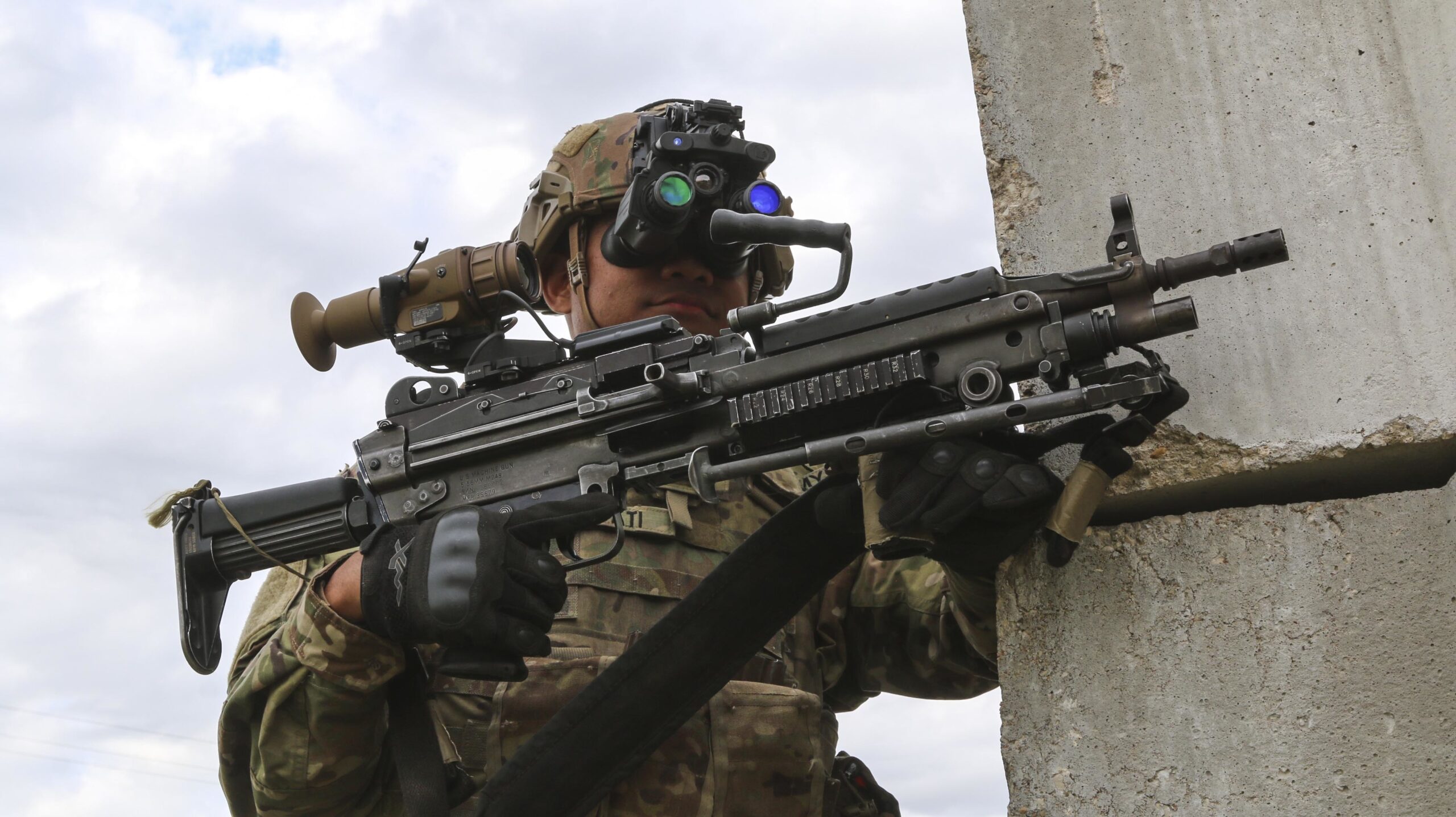
“Decision dominance … is the ability for a commander to sense, understand, decide, act, and assess faster and more effectively than any adversary,” said Army Futures Command chief Gen. John “Mike” Murray.


A decorated combat aviator and biotech CEO advocates preparing for novel viral threats before the next crisis.
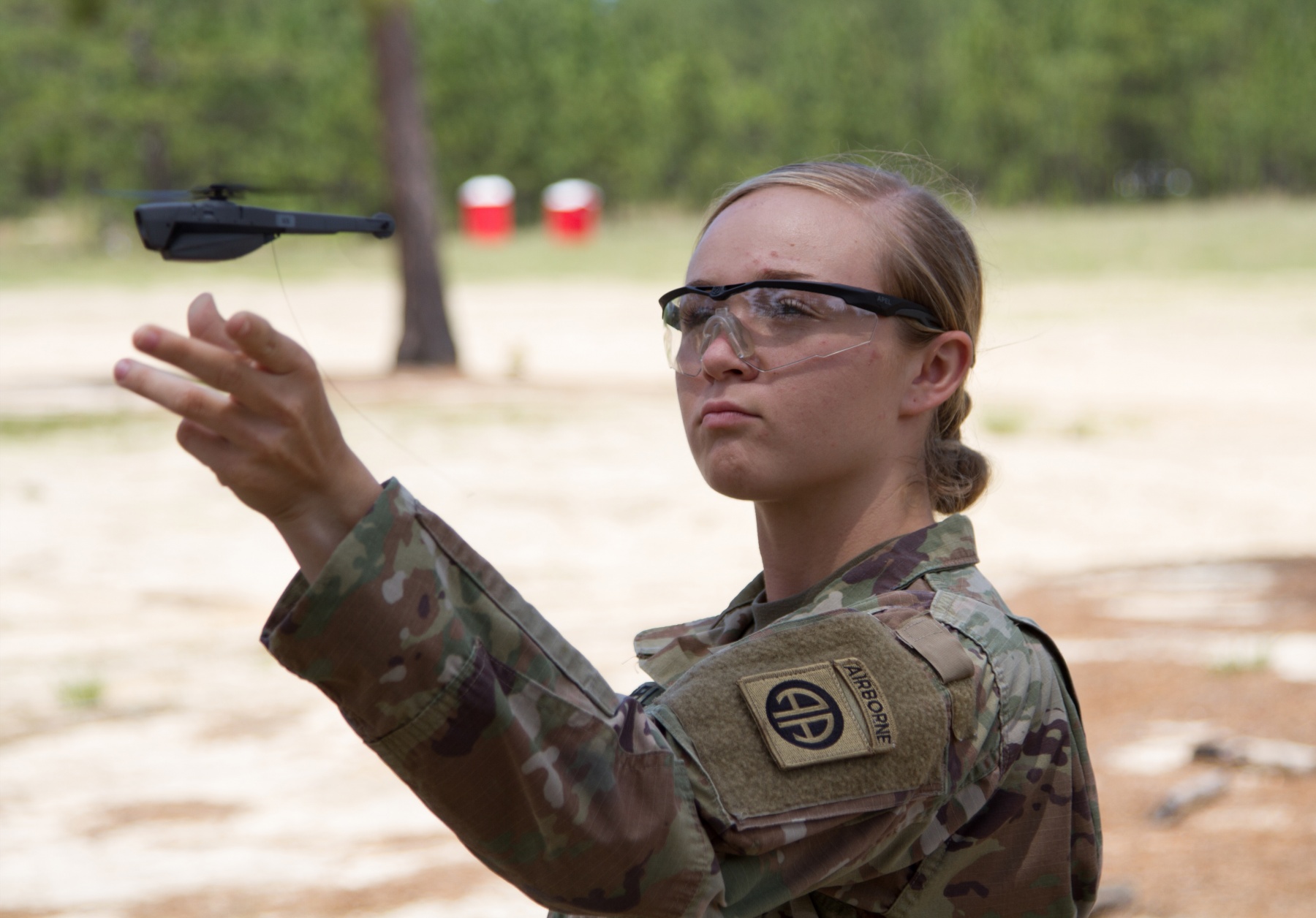
In DARPA-Army experiments, soldiers tried to micromanage their drones and ground robots, slowing their reaction times and restricting their tactics. Can AIs earn troops’ trust?

The best way to show US troops the power of new technology like artificial intelligence, one general said, is to let them suffer defeat at its hands — in training exercises.
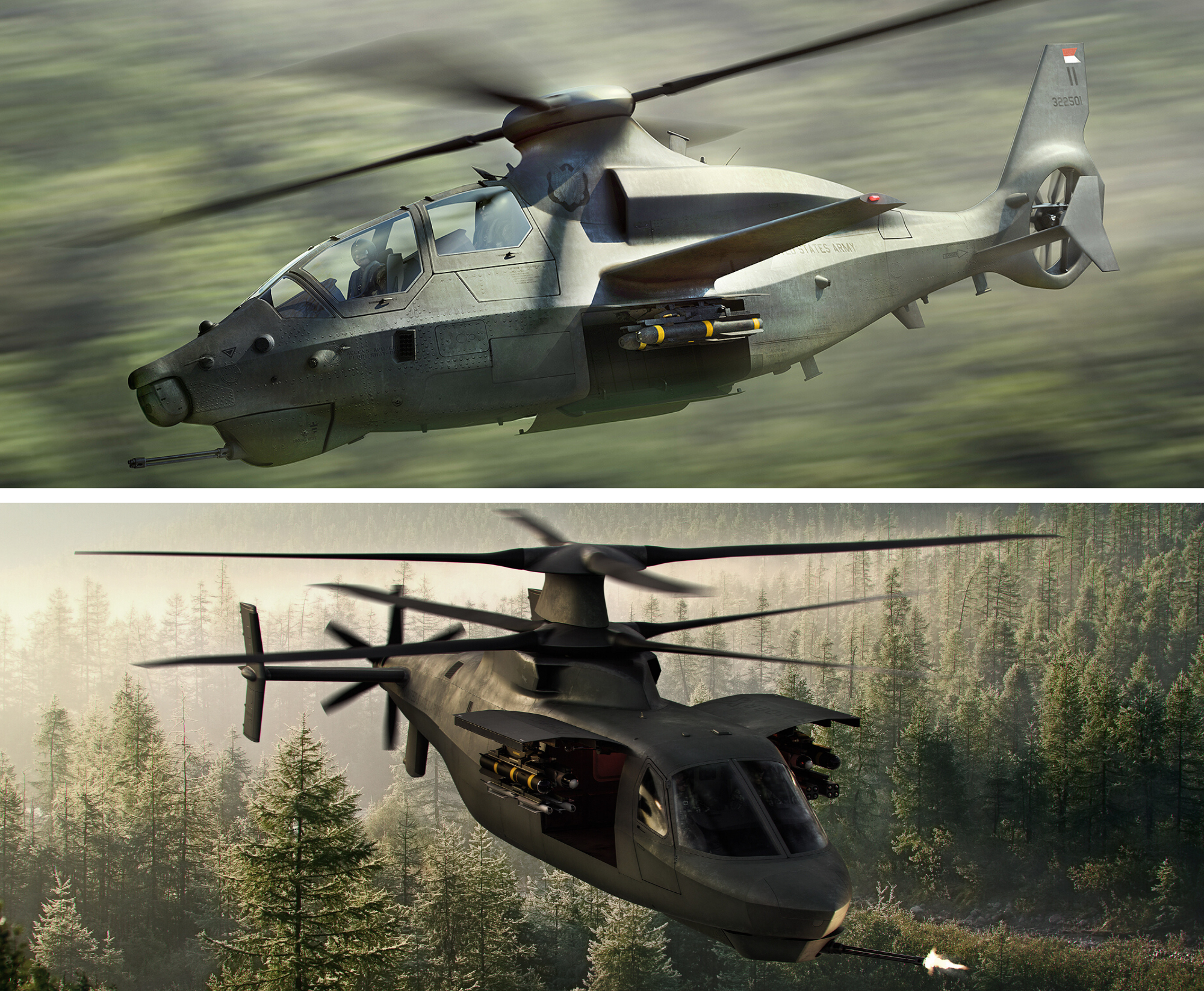
Chief of Staff Gen. James McConville and other top Army pilots say these new technologies, tactics, & training will keep aircraft alive against high-tech foes like Russia and China.
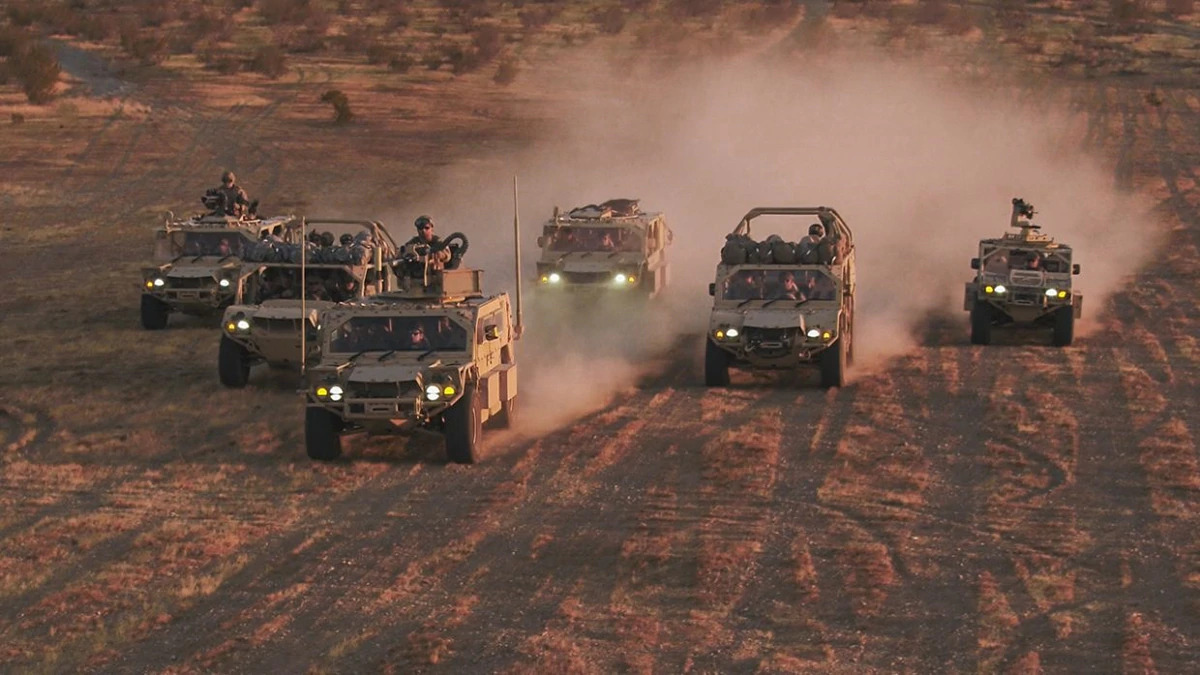
The Light Reconnaissance Vehicle, an off-road truck to scout ahead of airborne and light infantry units, could lead the Army’s move to electric motors. But electrifying heavy cargo trucks, let alone tanks, could take decades.


Traditional thinking about how to protect facilities must adapt to new threats such as drones or downstream attacks.

The Army’s future-warfare exercise overcame a host of technical glitches to link systems ranging from NRO and NGA spy satellites to Marine Corps fighter jets.
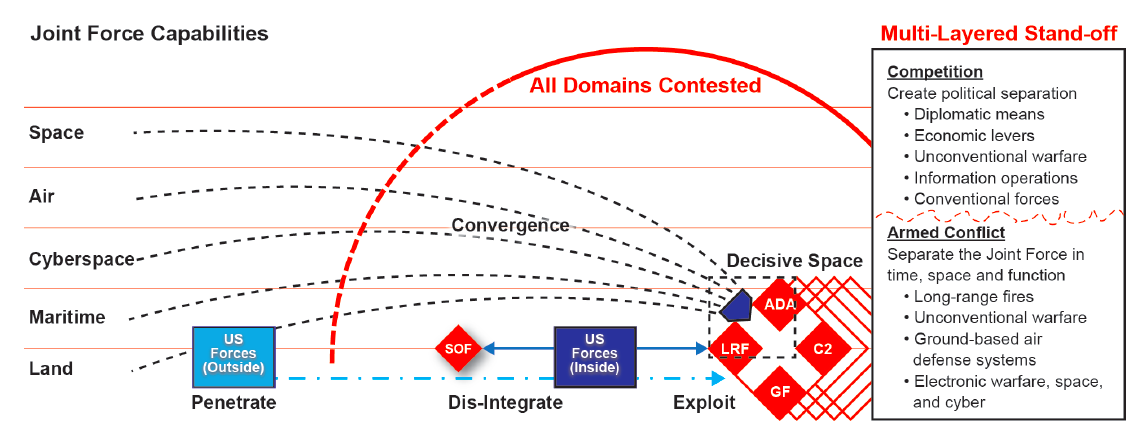
This fall’s experiment will study how the Army’s own weapons can share target data, Gen. Murray said, but in 2021 he wants to add the Air Force’s ABMS network.
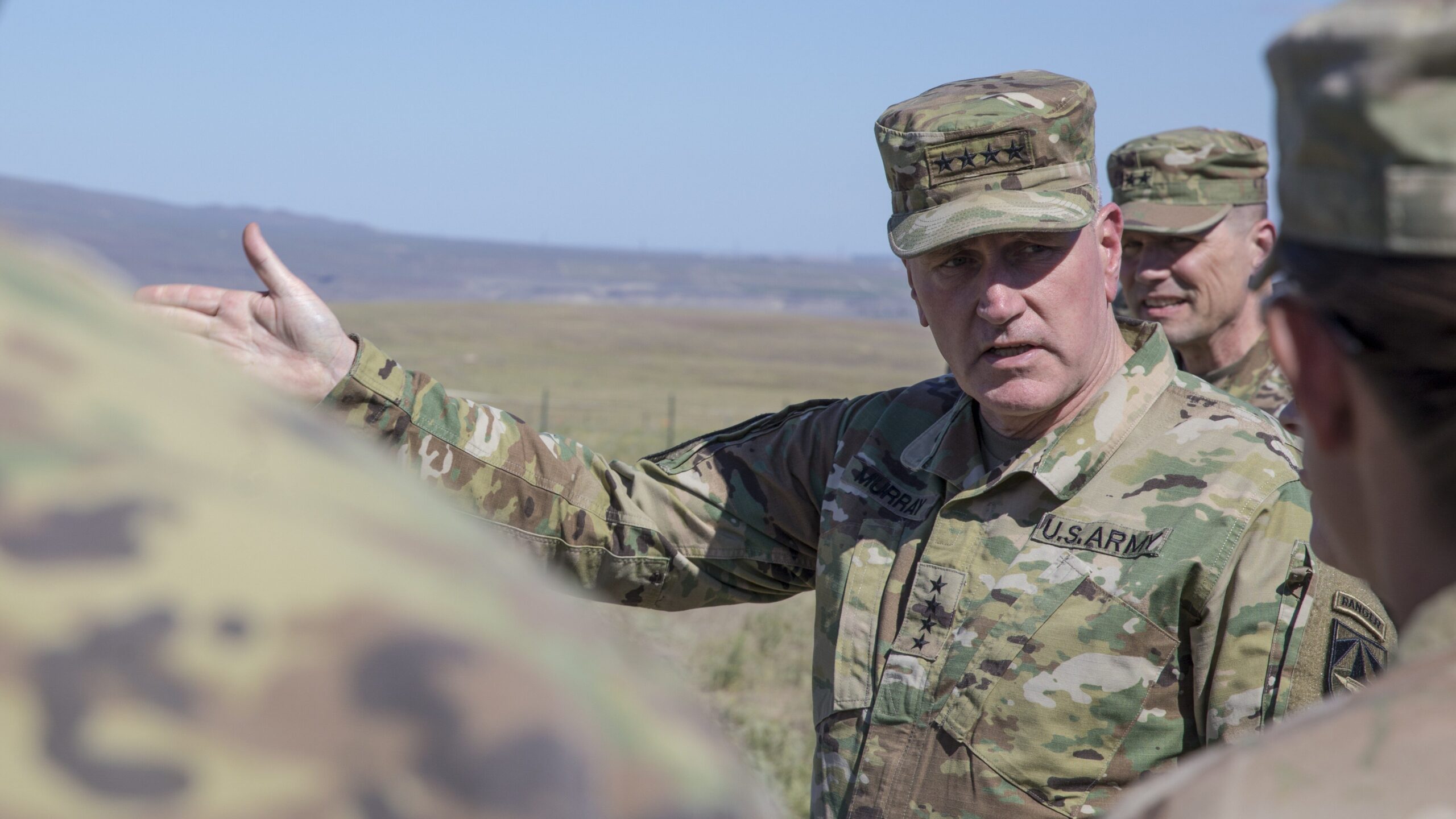
“I've heard some people talk about [going] back to a BCA [Budget Control Act] level of funding,” Gen. Murray says, referring to the steep cuts also known as sequestration. “And I've heard some people say that it's even going to be worse than BCA.”
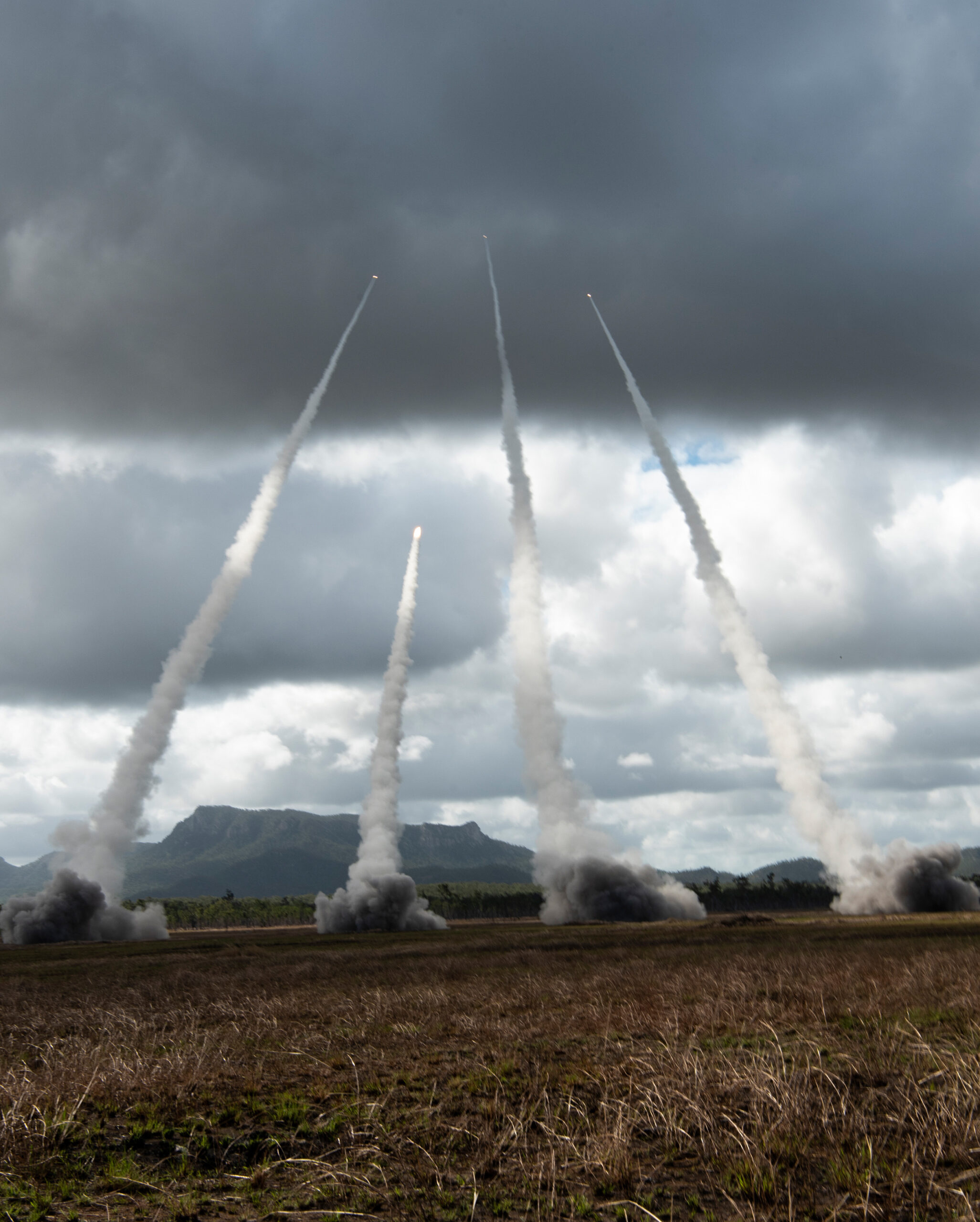
The service’s new AimPoint plan builds very different forces for Europe and the Pacific – but new high-level artillery HQs are central to both.